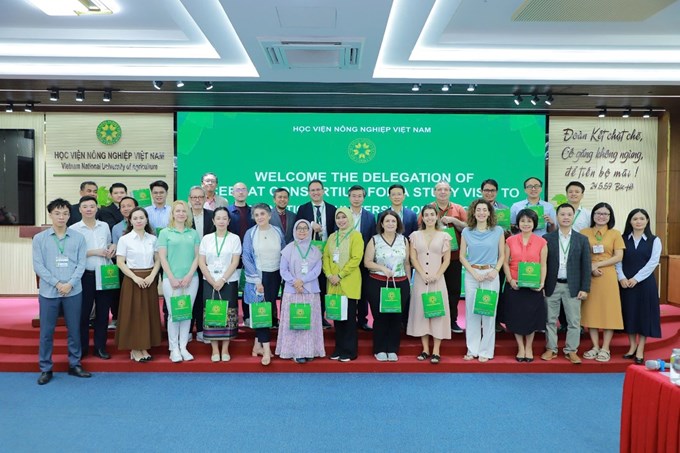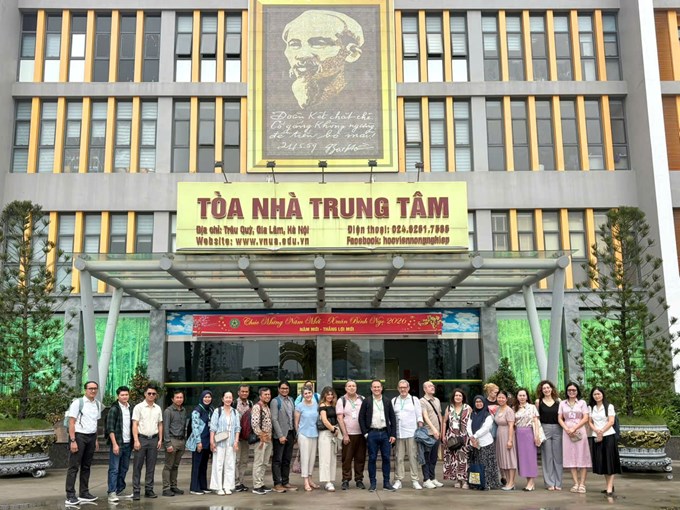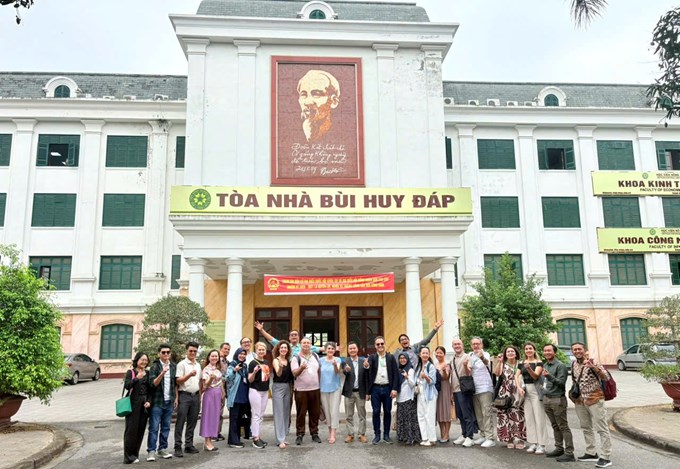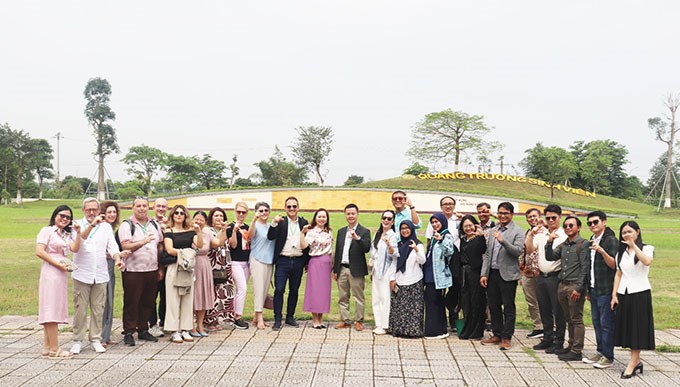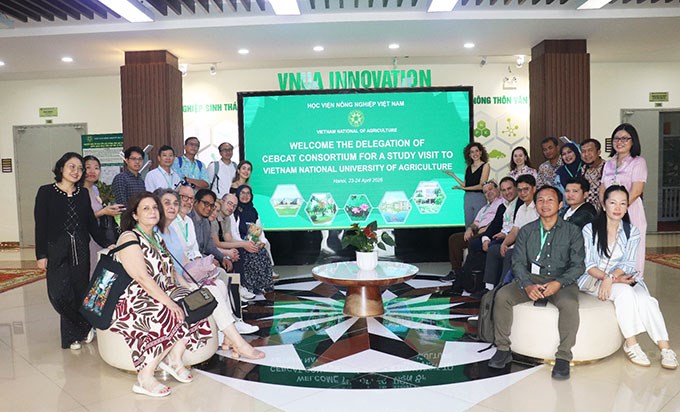


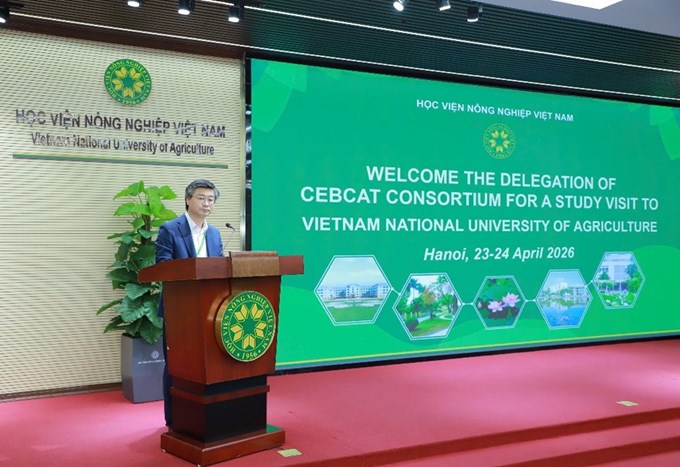
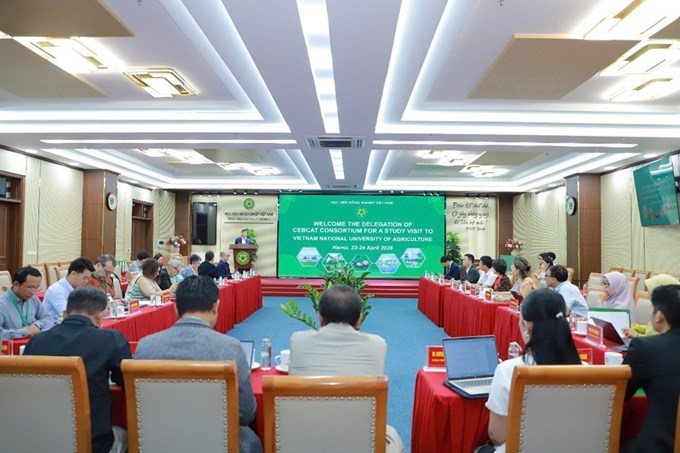
Within the framework of the Erasmus+ CEBCAT Project activities in Hanoi (April 20-24, 2026), a delegation comprising representatives from 11 partner universities across seven European and Asian countries conducted a study visit to Vietnam National University of Agriculture (VNUA) from April 23 to 24, 2026. This visit constituted a key activity aimed at enhancing academic exchange, sharing experiences, and promoting the practical implementation of the project’s objectives.
On behalf of VNUA, the delegation was welcomed by Assoc. Prof. Dr. Nguyen Cong Tiep, VNUA’s Vice President; Assoc. Prof. Dr. Nguyen Viet Long, Director of the International Cooperation Office; Dr. Nguyen Huu Nhuan, Deputy Dean of the Faculty of Economics and Management; along with faculty members, staff, and students from the Faculty of Economics and Management, the International Cooperation Office, and the Center of Excellence Research and Innovation.
Inspired by the principles of the European Green Deal, the CEBCAT project aimed to disseminate knowledge and promote circular economy models, particularly in developing countries. In the context of Asia facing multiple challenges such as environmental pollution, dependence on fossil fuels, and limitations in resource management, the project served as a vital bridge for knowledge transfer and capacity building.
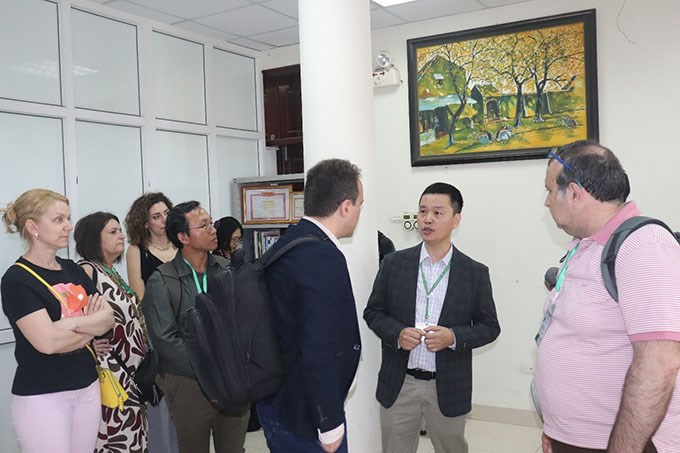
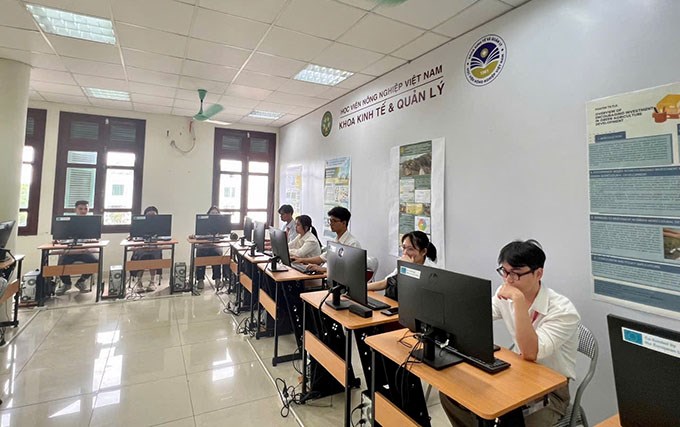
At VNUA, the partners engaged in a range of professional activities, including discussions on the development of academic programs in the circular economy, site visits to university facilities, and deliberations on plans to establish modern laboratories to support research and teaching. Notably, the Faculty of Economics and Management, VNUA, presented its orientation for revising the Master’s program in Agricultural Economics by integrating circular economy principles, aligning with global trends toward green and sustainable development.
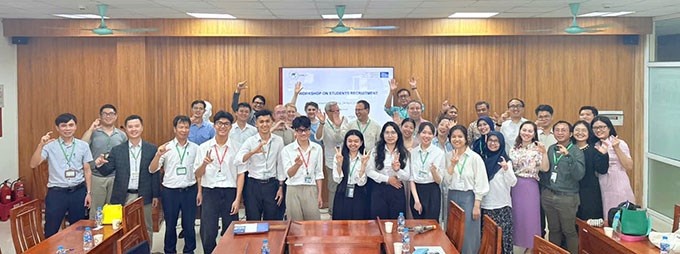
The study visit also provided an opportunity for the partners to review the progress of project implementation, share experiences in education and training, and agree on solutions to enhance effectiveness, including strengthening training activities, improving facilities, and promoting communication and dissemination. The partners acknowledged that the project was progressing in the right direction, with a variety of positive initial outcomes.
Through these exchanges, the CEBCAT project continued to affirm its role as a practical international cooperation initiative, contributing to the transformation of circular economy concepts into concrete actions. The organization of the study visit at VNUA not only enhanced training and research capacity but also opened up broader opportunities for collaboration, aiming toward the shared goal of green, sustainable, and globally integrated development.
Some photos from the working program at VNUA